
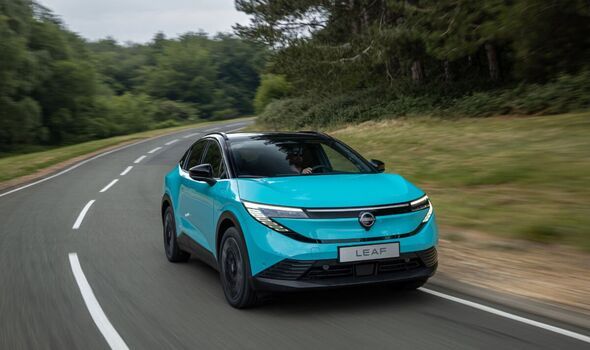
New Nissan Leaf Electric Car: Features and Market Impact
Exploring the new Nissan Leaf's advanced features, updated design, and continued relevance in the evolving electric vehicle market.
The Nissan Leaf has long been recognized as a trailblazer in the electric vehicle (EV) revolution, being one of the first mass-market battery electric cars globally. The introduction of new iterations continues to cement its position, focusing on enhancements that address range anxiety, charging infrastructure, and user experience. The latest model builds upon its predecessor's success by offering improved battery options, significantly extending its driving range, making it a more viable option for a wider array of drivers. These advancements typically include higher capacity lithium-ion battery packs, often paired with more efficient electric motors, which translate into better performance and reduced energy consumption. Beyond range, technological upgrades are central to the new Leaf. Expect to see sophisticated driver-assistance systems, such as Nissan's ProPILOT Assist, which combines steering, acceleration, and braking assistance for easier highway driving. The infotainment system receives a significant overhaul, featuring larger touchscreens, enhanced connectivity options like Apple CarPlay and Android Auto, and over-the-air (OTA) update capabilities for software improvements. Interior comfort and material quality are also areas of focus, aiming to provide a more premium feel. Externally, aerodynamic refinements and updated design cues ensure the Leaf remains contemporary and visually appealing in an increasingly crowded EV landscape. The electric vehicle market is intensely competitive, with new models from established automakers and startups emerging constantly. The Nissan Leaf faces stiff competition from popular models like the Tesla Model 3, Hyundai Kona Electric, and Kia Niro EV, all offering compelling packages of range, performance, and features. To maintain its edge, the Leaf often emphasizes its proven reliability, affordability, and the extensive network of Nissan dealerships. Furthermore, its potential Vehicle-to-Grid (V2G) capabilities, allowing energy stored in the car's battery to be fed back into the power grid, showcase its technological foresight and contribution to energy sustainability. The Leaf remains a critical vehicle in Nissan's electrification strategy, demonstrating the company's commitment to a cleaner, more connected automotive future.